Skip to content
English Teacher Site

English Teacher Site

  • Start with LevelsExpand
    • A1 Beginner
    • A2 Elementary
    • B1 Intermediate
    • B2 Upper Intermediate
  • Grammar & VocabularyExpand
    • A1 Grammar
    • A2 Grammar
    • A2 Vocabulary
    • B1 Grammar
    • B1 Vocabulary
    • B2 Grammar
    • B2 Vocabulary
  • Find Your Level
English Teacher Site
  • Unlocking the Past Tense of Shake You Need to Know
    B1 Grammar

    Unlocking the Past Tense of Shake You Need to Know

    ByKhamis Maiouf 27 December 202315 April 2026

    Quick Answer The past tense of shake is shook. With “have” or “has,” use shaken. Every day: I shake the bottle. Yesterday: I shook the bottle. Many times: I have shaken the bottle before. Shake, Shook, Shaken — See the Pattern Read these sentences. Look at how the verb changes: Did you see the pattern?…
    Spread the love

    Read More Unlocking the Past Tense of Shake You Need to KnowContinue

  • Sank vs Sunk – Understanding the Past Tense of “Sink”
    A2 Grammar

    Sank vs Sunk – Understanding the Past Tense of “Sink”

    ByKhamis Maiouf 27 December 202326 April 2026

    Quick Answer The past tense of sink is sank. With “have” or “has,” use sunk. Every day: Ships sink in bad storms. Yesterday: The boat sank yesterday. Many times: Many ships have sunk in that sea. Sink, Sank, Sunk — See the Pattern Read these sentences. Look at how the verb changes: Did you see…

    Spread the love

    Read More Sank vs Sunk – Understanding the Past Tense of “Sink”Continue

  • The Surprising Past Tense of Put and How to Use It
    A2 Grammar

    The Surprising Past Tense of Put and How to Use It

    ByKhamis Maiouf 27 December 202321 April 2026

    Quick Answer The past tense of put is put. It never changes. Do not add -ed. “Putted” is not a word. Every day: I put my keys on the table. Yesterday: I put my keys on the table. Many times: I have put my keys on the table before. Put, Put, Put — See the…

    Spread the love

    Read More The Surprising Past Tense of Put and How to Use ItContinue

  • Plural of Hippopotamus: Understanding the Correct Form
    A2 Grammar

    Plural of Hippopotamus: Understanding the Correct Form

    ByKhamis Maiouf 27 December 202326 April 2026

    Quick Answer The plural of hippopotamus is hippopotamuses or hippopotami. Both are correct. In casual speech, most people just say hippos. One: I saw one hippopotamus. More than one: I saw three hippopotamuses. Hippopotamus, Hippopotamuses, Hippopotami — See the Pattern Look at these sentences. Can you see the pattern? Did you see it? When there…

    Spread the love

    Read More Plural of Hippopotamus: Understanding the Correct FormContinue

  • On the Difference: Usage of Past or Passed Simplified
    A2 Grammar

    On the Difference: Usage of Past or Passed Simplified

    ByKhamis Maiouf 27 December 202322 April 2026

    Quick Answer Passed is always an action — someone or something moved or completed something. Past talks about a time before now or a place you go by. Action: She passed the test. Time: In the past, life was different. Past and Passed — See the Difference These two words sound exactly the same when…

    Spread the love

    Read More On the Difference: Usage of Past or Passed SimplifiedContinue

  • PS Meaning: How to Use Postscript Effectively in Text Messages and Emails
    B1 Vocabulary

    PS Meaning: How to Use Postscript Effectively in Text Messages and Emails

    ByKhamis Maiouf 27 December 202326 April 2026

    Quick Answer PS means “postscript.” It is a short note you add after you finish and sign a message. Think of it as saying “Oh, one more thing!” at the end of a letter, email, or text. Best wishes, SarahPS: Do not forget to bring your umbrella tomorrow! PS in Action — See How It…

    Spread the love

    Read More PS Meaning: How to Use Postscript Effectively in Text Messages and EmailsContinue

  • Plural of Axis: Understanding the Correct Form and Usage
    B1 Grammar

    Plural of Axis: Understanding the Correct Form and Usage

    ByKhamis Maiouf 27 December 20237 April 2026

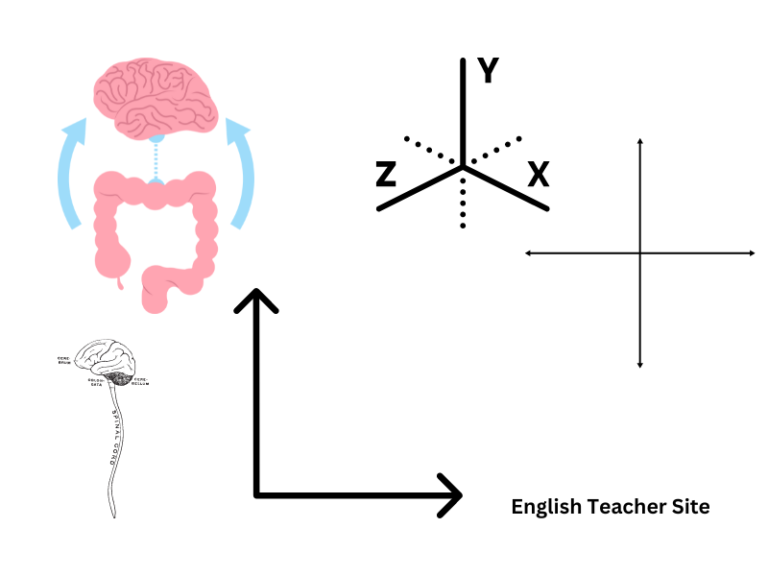
    The English language is replete with words that challenge the pattern when it comes to forming their plurals. One such word is “axis,” a term essential in various fields such as mathematics, geography, and anatomy. The plural of “axis” adheres to a pattern seen in words that hail from Greek origin, transforming singular words ending…

    Spread the love

    Read More Plural of Axis: Understanding the Correct Form and UsageContinue

  • Personal Pronouns First Second Third: Understanding Grammatical Persons
    A1 Grammar

    Personal Pronouns First Second Third: Understanding Grammatical Persons

    ByKhamis Maiouf 27 December 20237 April 2026

    Personal pronouns are the building blocks of language, allowing us to refer to participants in a conversation without repeating their names. They are categorized into first person, second person, and third person, each serving a distinct function in communication. The first person includes pronouns such as “I” and “we,” involving the speaker directly. In contrast,…

    Spread the love

    Read More Personal Pronouns First Second Third: Understanding Grammatical PersonsContinue

  • Parts of Speech: 8 Key Elements Explained and Their Usage Guide
    A1 Grammar

    Parts of Speech: 8 Key Elements Explained and Their Usage Guide

    ByKhamis Maiouf 27 December 202326 April 2026

    Quick Answer There are 8 parts of speech in English. Every word you say or write is one of these 8 types. They are: noun, pronoun, verb, adjective, adverb, preposition, conjunction, and interjection. Example: Wow, the tall girl runs quickly and she jumps over the fence. (That is all 8 in one sentence!) The 8…

    Spread the love

    Read More Parts of Speech: 8 Key Elements Explained and Their Usage GuideContinue

  • No One vs. Noone: Understanding the Correct Usage
    A2 Vocabulary

    No One vs. Noone: Understanding the Correct Usage

    ByKhamis Maiouf 20 December 202321 April 2026

    Quick Answer The correct spelling is no one (two words). Writing it as “noone” is a spelling mistake. ✓ No one was home when I called. ✗ Noone was home when I called. No One — Always Two Words Look at these sentences. What do you notice? Did you see the pattern? It is always…

    Spread the love

    Read More No One vs. Noone: Understanding the Correct UsageContinue

Page navigation

Previous PagePrevious 1 … 23 24 25 26 27 … 34 Next PageNext

COMPANY INFO

  • About English Teacher Site!
  • Contact Us
  • HTML Sitemap
  • Privacy Policy
  • Terms and Conditions

CATEGORIES

  • A1 Grammar
  • A2 Grammar
  • A2 Vocabulary
  • B1 Grammar
  • B1 Vocabulary
  • B2 Grammar
  • B2 Vocabulary
  • Sitemap

connect with English Teacher Site: [email protected]

Pinterest

copyright 2026 English Teacher Site

Scroll to top
  • Start with Levels
    • A1 Beginner
    • A2 Elementary
    • B1 Intermediate
    • B2 Upper Intermediate
  • Grammar & Vocabulary
    • A1 Grammar
    • A2 Grammar
    • A2 Vocabulary
    • B1 Grammar
    • B1 Vocabulary
    • B2 Grammar
    • B2 Vocabulary
  • Find Your Level
Search