Skip to content
English Teacher Site

English Teacher Site

  • Start with LevelsExpand
    • A1 Beginner
    • A2 Elementary
    • B1 Intermediate
    • B2 Upper Intermediate
  • Grammar & VocabularyExpand
    • A1 Grammar
    • A2 Grammar
    • A2 Vocabulary
    • B1 Grammar
    • B1 Vocabulary
    • B2 Grammar
    • B2 Vocabulary
  • Find Your Level
English Teacher Site
  • They’re, Their, There: Understanding Homophones in English Grammar
    B1 Vocabulary

    They’re, Their, There: Understanding Homophones in English Grammar

    ByKhamis Maiouf 28 December 202325 April 2026

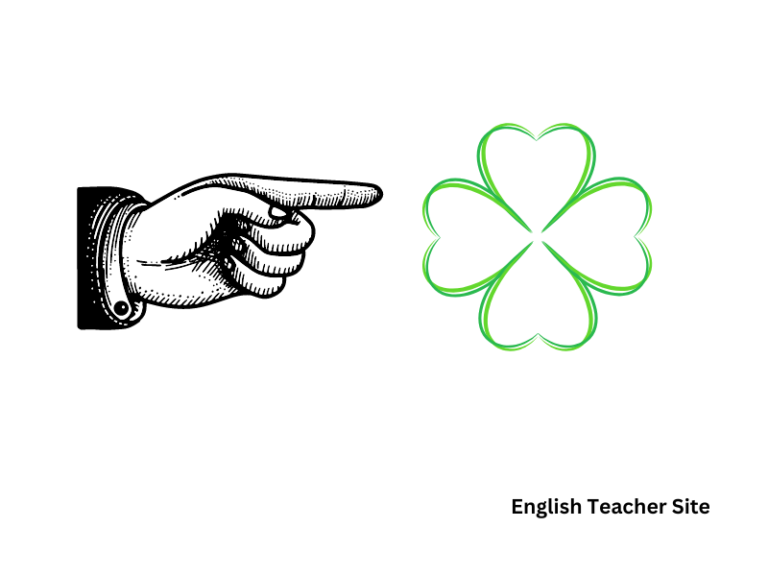
    Quick Answer There means a place, or starts a sentence like “there is.” Their means something belongs to them. They’re is short for “they are.” They all sound the same, but they mean three very different things. There, Their, and They’re — See the Difference These three words sound exactly the same when you say…
    Spread the love

    Read More They’re, Their, There: Understanding Homophones in English GrammarContinue

  • Principle and Principal: Understanding the Difference and Usage
    B1 Vocabulary

    Principle and Principal: Understanding the Difference and Usage

    ByKhamis Maiouf 28 December 202325 April 2026

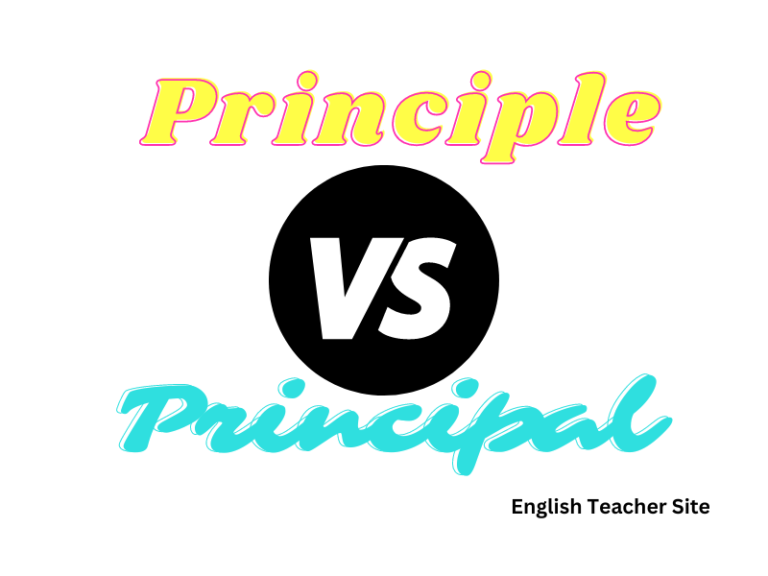
    Quick Answer A principle is a rule or belief. A principal is the main person or thing (like the head of a school). “Honesty is an important principle.” “The principal spoke to the students.” Principle and Principal — See the Difference These two words sound exactly the same, but they mean different things. Look at…

    Spread the love

    Read More Principle and Principal: Understanding the Difference and UsageContinue

  • There Is or There Are: Mastering Subject-Verb Agreement in English Grammar
    A1 Grammar

    There Is or There Are: Mastering Subject-Verb Agreement in English Grammar

    ByKhamis Maiouf 28 December 202316 April 2026

    Quick Answer Use there is before one thing. Use there are before two or more things. For example: “There is a cat on the bed” but “There are two cats on the bed.” There Is and There Are — See the Pattern Look at these sentences. Can you see when we use there is and…

    Spread the love

    Read More There Is or There Are: Mastering Subject-Verb Agreement in English GrammarContinue

  • Illicit and Elicit: Understanding the Distinct Meanings and Usage
    B1 Vocabulary

    Illicit and Elicit: Understanding the Distinct Meanings and Usage

    ByKhamis Maiouf 28 December 20237 April 2026

    The use of “illicit” implies a judgment about the legality or appropriateness of an action, such as “illicit trade.” Whereas “elicit” focuses on the action of extracting or bringing forth a reply or reaction, as in, “The question elicited a strong response.” It’s important to not only recognize the grammatical differences—adjective versus verb—but also to…

    Spread the love

    Read More Illicit and Elicit: Understanding the Distinct Meanings and UsageContinue

  • Ensure, Insure, and Assure: Understanding the Differences
    B1 Grammar

    Ensure, Insure, and Assure: Understanding the Differences

    ByKhamis Maiouf 28 December 202316 April 2026

    Quick Answer Ensure = make sure something happens. Insure = buy insurance (money protection). Assure = tell a person “do not worry.” “I will ensure the door is locked.” “We insured the car.” “She assured me it was safe.” Ensure, Insure, and Assure — See the Difference These three words look and sound almost the…

    Spread the love

    Read More Ensure, Insure, and Assure: Understanding the DifferencesContinue

  • The Difference Between Awhile and A While: Understanding Usage and Grammar
    B1 Vocabulary

    The Difference Between Awhile and A While: Understanding Usage and Grammar

    ByKhamis Maiouf 28 December 202326 April 2026

    Quick Answer Awhile (one word) means “for a short time.” Use it after a verb. A while (two words) means “a period of time.” Use it after words like for, in, or after. ✓ Stay awhile. (= Stay for a short time.) ✓ Stay for a while. (= Stay for a period of time.) Awhile…

    Spread the love

    Read More The Difference Between Awhile and A While: Understanding Usage and GrammarContinue

  • Cite Site Sight: Understanding the Differences and Uses in English Language
    B1 Vocabulary

    Cite Site Sight: Understanding the Differences and Uses in English Language

    ByKhamis Maiouf 28 December 202313 April 2026

    Quick Answer Cite means to mention or quote a source. Site means a place or location. Sight means the ability to see, or something you see. They all sound the same, but they mean three very different things. Cite, Site, and Sight — See the Difference These three words sound exactly the same when you…

    Spread the love

    Read More Cite Site Sight: Understanding the Differences and Uses in English LanguageContinue

  • Sweeped or Swept: Understanding the Correct Past Tense of “Sweep”
    A2 Grammar

    Sweeped or Swept: Understanding the Correct Past Tense of “Sweep”

    ByKhamis Maiouf 27 December 202317 April 2026

    Quick Answer The past tense of sweep is swept. “Sweeped” is not a real word. Use swept for the past and with have/has/had. Every day: I sweep the floor. Yesterday: I swept the floor. Many times: I have swept the floor this week. Sweep, Swept — See the Pattern Read these sentences. Look at how…

    Spread the love

    Read More Sweeped or Swept: Understanding the Correct Past Tense of “Sweep”Continue

  • Past Tense of Take: Learn It in 3 Easy Steps
    A2 Grammar

    Past Tense of Take: Learn It in 3 Easy Steps

    ByKhamis Maiouf 27 December 202321 April 2026

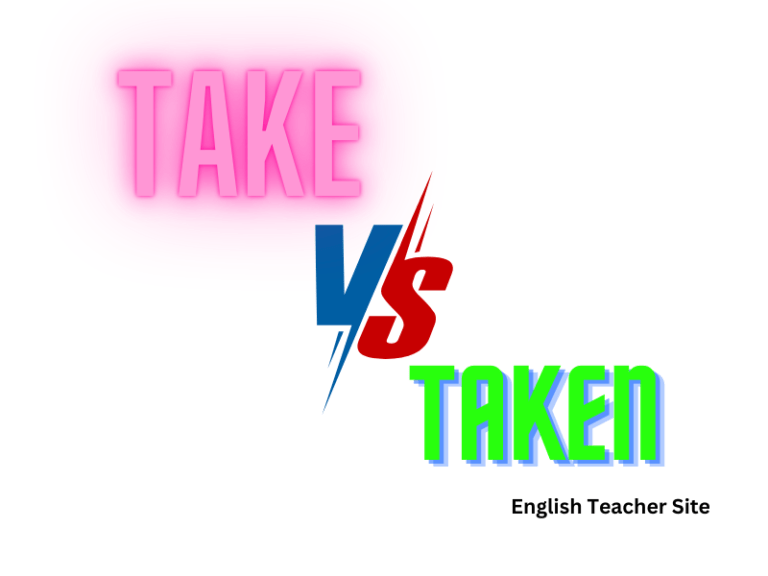
    Quick Answer The past tense of take is took. When you use it with have, has, or had, say taken. Example: “I took the bus yesterday” and “I have taken that class before.” Take, Took, Taken — See the Pattern The verb take changes in a special way. It does not follow the usual “-ed”…

    Spread the love

    Read More Past Tense of Take: Learn It in 3 Easy StepsContinue

  • Swam or Swum: Understanding the Correct Past Tense of “Swim”
    A2 Grammar

    Swam or Swum: Understanding the Correct Past Tense of “Swim”

    ByKhamis Maiouf 27 December 202311 April 2026

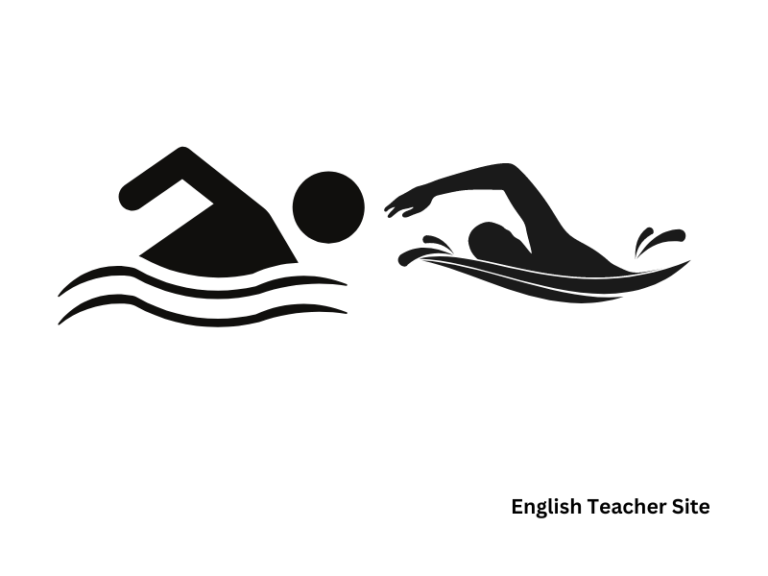
    Quick Answer The past tense of swim is swam. With “have,” “has,” or “had,” use swum. Every day: I swim in the pool. Yesterday: I swam in the pool. Many times: I have swum in the pool before. Swim, Swam, Swum — See the Pattern Read these sentences. Look at how the verb changes: Did…

    Spread the love

    Read More Swam or Swum: Understanding the Correct Past Tense of “Swim”Continue

Page navigation

Previous PagePrevious 1 … 21 22 23 24 25 … 34 Next PageNext

COMPANY INFO

  • About English Teacher Site!
  • Contact Us
  • HTML Sitemap
  • Privacy Policy
  • Terms and Conditions

CATEGORIES

  • A1 Grammar
  • A2 Grammar
  • A2 Vocabulary
  • B1 Grammar
  • B1 Vocabulary
  • B2 Grammar
  • B2 Vocabulary
  • Sitemap

connect with English Teacher Site: [email protected]

Pinterest

copyright 2026 English Teacher Site

Scroll to top
  • Start with Levels
    • A1 Beginner
    • A2 Elementary
    • B1 Intermediate
    • B2 Upper Intermediate
  • Grammar & Vocabulary
    • A1 Grammar
    • A2 Grammar
    • A2 Vocabulary
    • B1 Grammar
    • B1 Vocabulary
    • B2 Grammar
    • B2 Vocabulary
  • Find Your Level
Search