
English lessons by CEFR level
Learn English Grammar by Level
Choose your English level and study clear grammar and vocabulary lessons from A1 to C2.
A1 Beginner | A2 Elementary | B1 Intermediate | B2 Upper Intermediate | C1 Advanced | C2 Proficiency
Choose Your English Level
Study lessons that match what you can do now, then move forward one step at a time.
🌱 A1 · BEGINNER
Beginner
Start with basic words, short sentences, simple questions, and everyday grammar.
🌿 A2 · ELEMENTARY
Elementary
Talk about daily life, past events, people, places, feelings, and plans.
🌳 B1 · INTERMEDIATE
Intermediate
Practise grammar for explaining opinions, telling stories, and discussing everyday topics.
🎓 B2 · UPPER INTERMEDIATE
Upper Intermediate
Practise grammar and word choices for study, work, writing, and more detailed discussions.
Start with a Common Topic
Choose a focused group of lessons to practise one part of your English.
Grammar path
Irregular Verbs
Practise irregular past forms, such as go → went, eat → ate, and buy → bought.
Vocabulary path
Confusing Words
Words that look or sound the same but mean different things — like affect/effect, their/there, and lose/loose.
Start in the right place
Not Sure About Your Level?
Try our free 12-question grammar check for a suggested starting level, then choose a lesson that feels right for you.
Find lessons that fit you
- Get a suggested starting level
- See grammar and vocabulary paths
- Choose a lesson to try next
Featured Lessons
A small set of useful lessons to help you start learning today.

🌱 A1 · BEGINNER
When to Use A or An
Should you say “a apple” or “an apple”? Learn the simple rule, with examples.
🌿 A2 · ELEMENTARY
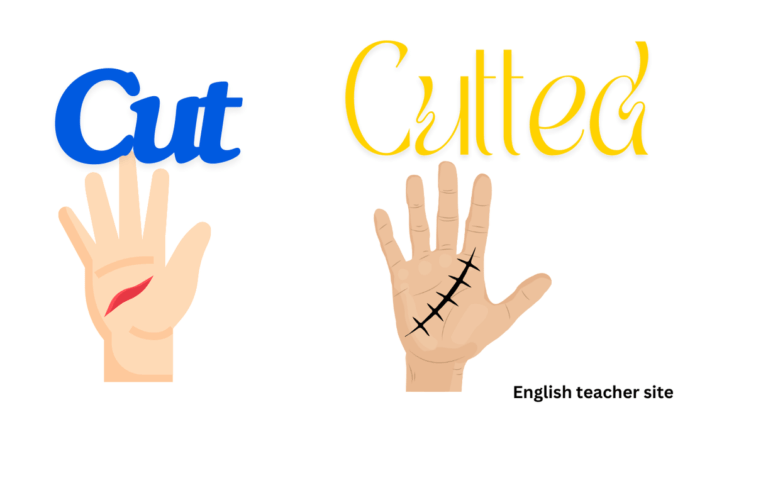
Is It Cut or Cutted?
Practise cut in the present and past, and compare it with regular verbs.
🌳 B1 · INTERMEDIATE
Active vs Passive Voice
Turn “The chef cooked it” into “It was cooked.” Learn when (and why) to switch.