
The Wednesday Ferry (B2 Reading Story)
Travelling alone, Marta boards a small ferry on the northern coast. A Wednesday visit to an island introduces her to lives that rarely appear in a tourist itinerary.
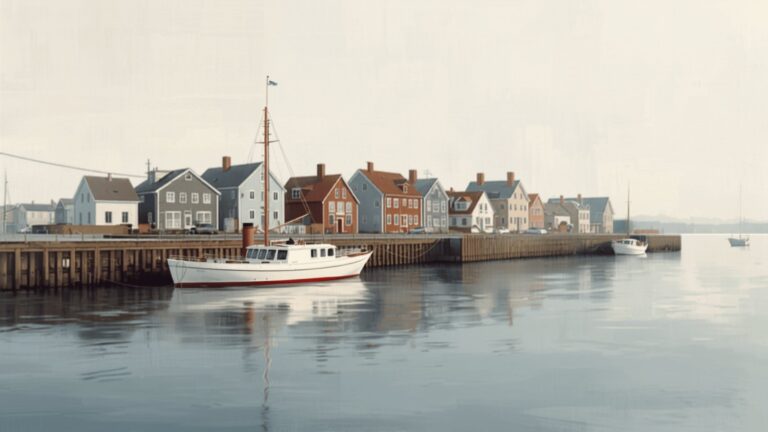
Travelling alone, Marta boards a small ferry on the northern coast. A Wednesday visit to an island introduces her to lives that rarely appear in a tourist itinerary.

Iris works alone in a flat facing another woman’s window. A wave begins a friendship across the courtyard, until the window opposite unexpectedly goes dark.

When the lift at Wren Court breaks down, nurse Priya begins to see how her neighbours live. A daily inconvenience becomes a shared struggle to get the building repaired.

A sealed bottle appears outside Nadia’s coastal bookshop, carrying an old message. Her employer’s reaction suggests it belongs to a story he has kept quiet for years.
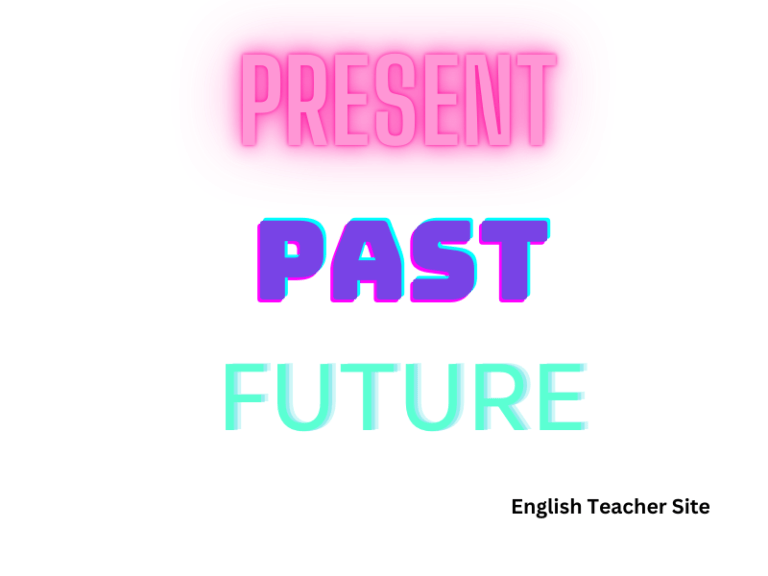
Quick Answer Verb tenses tell you when something happens. There are three main tenses: past (it already happened), present (it is happening now), and future (it will happen later). For example: “She walked” is past, “She walks” is present, and “She will walk” is future. Past, Present, and Future — See the Pattern Look at…
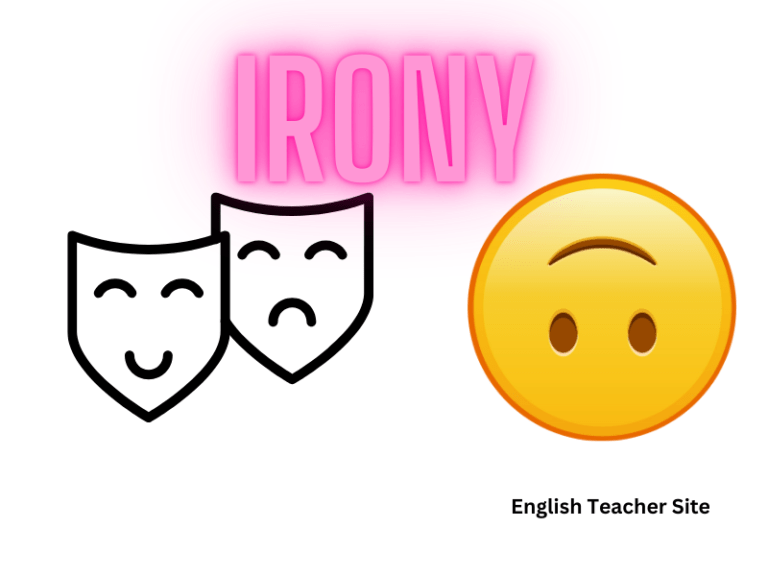
Quick Answer There are three types of irony: verbal, situational, and dramatic. Irony means that something is different from what you expected. Verbal: You say the opposite of what you mean. Situational: The result is the opposite of what you expected. Dramatic: The audience knows something the character does not. Verbal, Situational, and Dramatic —…
Quick Answer The 5 English word pairs that trip up almost everyone are affect / effect, their / there / they’re, its / it’s, your / you’re, and then / than. They sound almost the same, but they mean very different things. Quick rule: if you can swap the word for it is, use it’s….
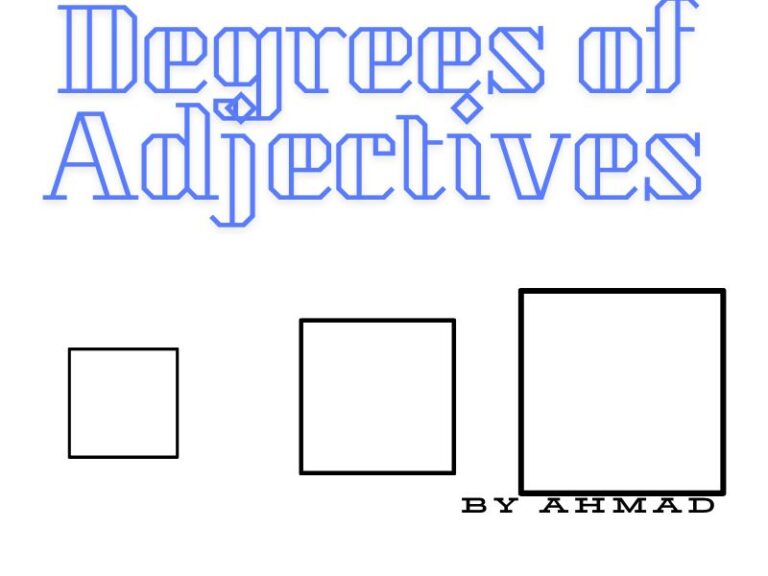
Quick Answer Adjectives have three forms: the base form (tall), the comparative form (taller), and the superlative form (tallest). Use the comparative to compare two things. Use the superlative to compare three or more things. Tall, Taller, Tallest — See the Pattern Look at these sentences. The key words are in blue: Did you see…
Quick Answer A concrete noun is something you can see, touch, hear, smell, or taste — like a chair, a dog, or music. An abstract noun is an idea, feeling, or quality you cannot sense — like love, freedom, or fear. Quick test: if your five senses can find it, it is concrete. If they…