What’s the Past Tense of the Verb Sting: Understanding Verb Conjugation

Quick Answer
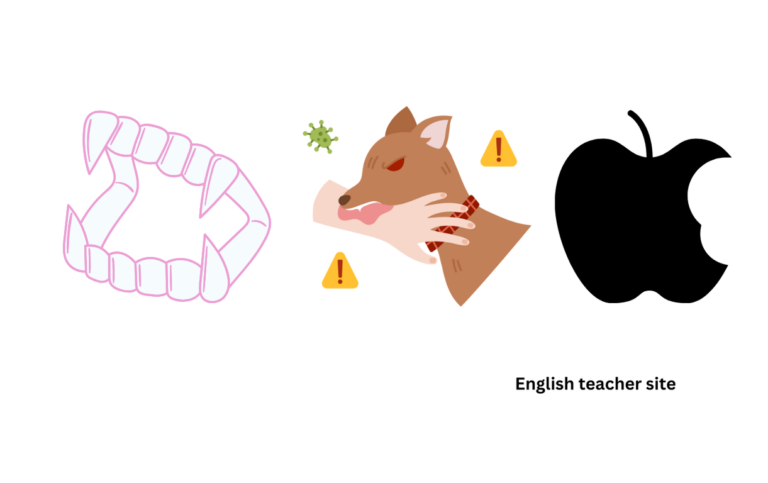
The past tense of sting is stung. There is no such word as “stinged.”
Example: A bee stung me on the hand yesterday.
Sting and Stung — See the Pattern
Read these sentences. Can you see the pattern?
- Bees sting when they feel scared. (now)
- A wasp stung her arm at the park. (past)
- He has been stung by a jellyfish before. (with has)
- The cold wind stung my face this morning. (past)
Did you see it? Sting changes to stung in the past. And it stays stung with have, has, or had too. One form for both!
| Form | Word | Example |
|---|---|---|
| Present | sting | Bees sting in summer. |
| Past | stung | A bee stung me. |
| With have/has/had | stung | I have been stung before. |
Why You Should Never Say “Stinged”
Sting is an irregular verb. That means it does NOT follow the normal rule of adding -ed to make the past tense.
- Regular verb: walk → walked
- Irregular verb: sting → stung (NOT stinged)
Use stung for everything in the past. It works on its own AND with have, has, or had.
- The bee stung him on the leg. (past — alone)
- She has been stung twice this summer. (with has)
- They had never been stung by a wasp before. (with had)
Easy way to remember: Think of the word “sung.” You would never say “singed” for the past of “sing.” It is the same with sting — just swap the i for a u.
The Rule in One Line: Sting → stung. Never “stinged.” Always stung.
How to Use Stung in Everyday English
Here are sentences you might hear or say in daily life:
- A bee stung my little brother at the picnic. (= it happened in the past)
- Have you ever been stung by a jellyfish? (= at any time in your life, with “have”)
- The smoke stung my eyes when we sat near the fire. (= past, no helping word)
- She has been stung by nettles many times. (= with “has”)
- His words stung — I felt hurt for days. (= past, used to describe feelings)
You are doing great. Now let’s look at the mistakes many learners make.
The Most Common Mistake With Sting
Even native speakers’ children say “stinged” when they are learning to talk — so if you have made this mistake, you are not alone. It is a very natural error because most English verbs DO add -ed in the past.
Mistake 1: Saying “stinged” instead of “stung”
✗ The bee stinged me on the finger.
✓ The bee stung me on the finger.
Mistake 2: Using “sting” for the past
✗ A wasp sting her yesterday.
✓ A wasp stung her yesterday.
✗ I have been stinged by a bee before.
✓ I have been stung by a bee before.
How to remember: Sting follows the same pattern as ring (rang/rung), sing (sang/sung), and swing (swung). They all change the i to a u in the past.
Other verbs like this: cling (clung), fling (flung), wring (wrung), sling (slung). They all end in -ung in the past.
Test Yourself: Stung or Stinged?
Choose the correct answer for each sentence. Click Check to see if you are right.
1. A bee _______ my hand while I was in the garden.
2. Have you ever been _______ by a jellyfish?
3. The cold rain _______ our faces as we walked home.
4. She had been _______ by a wasp before she learned to stay away.
5. His unkind words _______ more than he knew.
Keep Going — You Are Building Something
You just learned the past tense of sting. That is one more irregular verb you will never get wrong again.
But here is something interesting. The verb swing follows the exact same pattern: swing → swung. Same change — i becomes u. But some people say “swang” instead of “swung.” Is that correct? And what happens when you use it with have or has?
Next lesson: Swing, Swang, or Swung — Which Is Correct?
Sources
1. Harper, Douglas. “Etymology of sting.” Online Etymology Dictionary.
2. “Sting.” Farlex Dictionary of Idioms.

I’m Khamis Maiouf. English is not my first language – I learned it as an adult in the UK, passed Functional Skills Level 2 in English, qualified in Hairdressing at Level 3, and I’m now studying Business at university. For over five years I’ve taught ESOL classes in my community and tutored students through GCSE English. I write every lesson on this site myself, for the learner I used to be.