
The Allotment on Whitmore Lane (C1 Reading Story)
After her father’s death, Nora returns to his neglected allotment. Clearing the plot and reading his gardening notebook offer a quieter way to face what she has postponed.
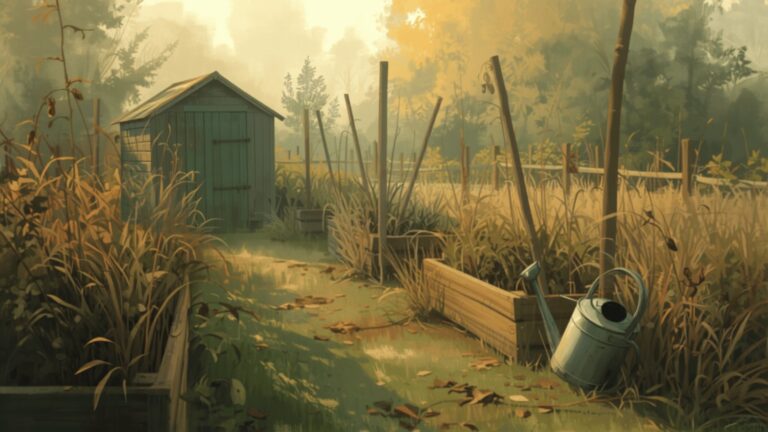
After her father’s death, Nora returns to his neglected allotment. Clearing the plot and reading his gardening notebook offer a quieter way to face what she has postponed.

Nadia arrives to report on a festival centred on a bell that has never rung. Old records challenge the town’s familiar account of its past, raising an uncomfortable question about truth.
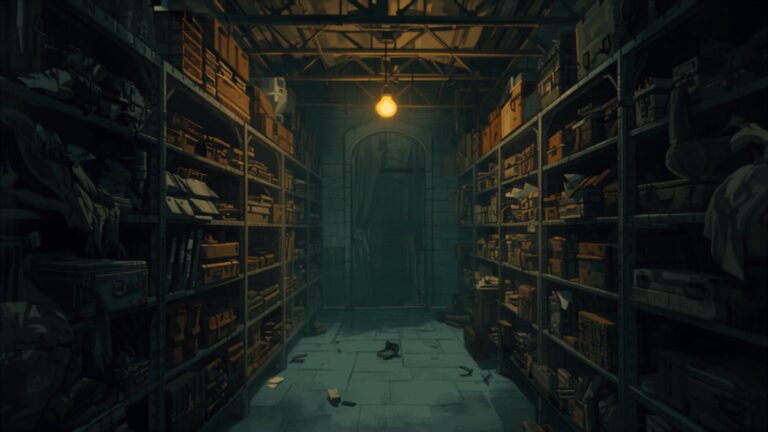
Lost-property worker Nadia opens an unclaimed notebook filled with detailed drawings. Many of its buildings have vanished, sending her in search of both the artist and the city they remembered.

Meera finds a rooftop garden and an unexpected community in her new building. A threat to the garden brings her work as a lawyer into conflict with her neighbours’ hopes.

A fictional biography of Inês Barroca, a Portuguese cartographer who records villages before reservoirs swallow them. Her maps preserve names, homes and memories that official surveys overlook.
Quick Answer A participle clause makes a sentence shorter by dropping the subject and turning the verb into an -ing form (active) or an -ed form (passive). Full: Because she felt tired, she left early. Shorter: Feeling tired, she left early. · Built in 1889, the tower still stands. See the Three Types of Participle…
Quick Answer Use were for every subject when the situation is imaginary or unreal — including I, he, she, and it. This special “were” is called the subjunctive. Unreal: If I were you, I’d say sorry. · I wish it were Friday. Real past fact: When I was a child, I lived in Cairo. New…
Quick Answer A mixed conditional joins two different times in one sentence — usually an unreal past and an unreal present. The if part and the result part do not share the same time. Past cause, present result: If I had taken that job, I would be in Paris now. Present cause, past result: If…
Quick Answer Disinterested means fair and neutral — like a judge who has nothing to gain. Uninterested means bored — not caring at all. “We need a disinterested referee.” (someone fair and neutral) — “He looked uninterested in my story.” (he was bored) 🔊 disinterested 🔊 uninterested Disinterested and Uninterested — Two Very Different Feelings…
Quick Answer When a negative word like Never, Rarely, or Seldom comes at the start of a sentence, the subject and the auxiliary verb swap places. This is called inversion. Normal: I have never seen such a sunset. Inverted: Never have I seen such a sunset. See the Pattern — Subject and Auxiliary Swap Places…