
The Lamp at the Crossroads (B1 Reading Story)
Rosa keeps a lamp burning at her grandmother’s window for travellers on the mountain road. During a hard winter, she begins to understand the promise behind its light.
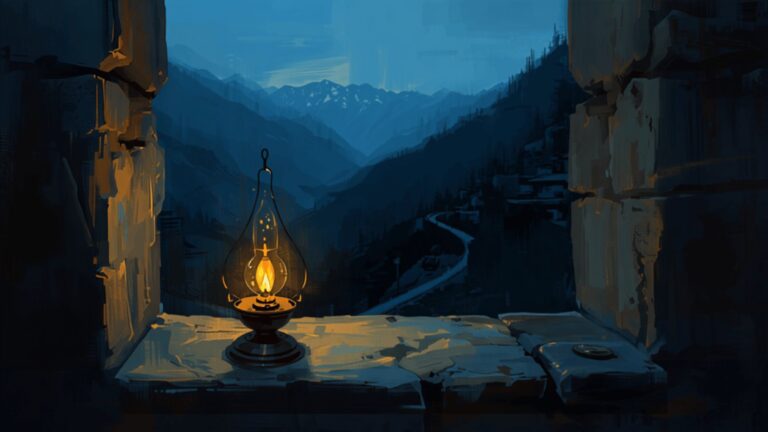
Rosa keeps a lamp burning at her grandmother’s window for travellers on the mountain road. During a hard winter, she begins to understand the promise behind its light.

Amina sees the same older passenger on her bus each morning. When he drops a notebook, returning it offers a way beyond her lonely daily routine.

Nadia discovers a garden above her city flat and begins to know her neighbours. When a letter threatens their shared space, they must decide how to protect it.

A fictional life story about Elena Voss, an island girl who loves maps. After a fishing boat is lost, she sets out to chart the coast more carefully.

Maya visits a mountain village to report on a paper boat festival. As she listens to her host’s story, a simple newspaper assignment becomes something more personal.
Quick Answer Who’s is the short form of “who is” or “who has.” Whose asks about the owner — who something belongs to. Try saying “who is” in place of the word. If it makes sense, use who’s. If it does not, use whose. Who’s and Whose — See the Difference These two words sound…

Quick Answer Compliment means to say something nice about someone — it is about praise. Complement means something that goes well with something else — it makes something complete. Remember: complIment = I say something nice. ComplEment = complEte. Compliment and Complement — See the Difference These two words sound almost the same. But they…
Quick Answer Wasn’t is short for “was not.” Use it with I, he, she, it. Weren’t is short for “were not.” Use it with you, we, they. Example: “She wasn’t home” but “They weren’t home.” Wasn’t and Weren’t — See the Pattern Look at these sentences. Can you see which subjects go with wasn’t and…
Quick Answer Use a comma before “and” when it joins two full sentences. If “and” only joins two words, you do not need a comma. For example: “She cooked dinner, and he washed the dishes.” When Do You Need a Comma Before “And”? Look at these sentences. Some have a comma before “and” and some…
Quick Answer A comma (,) is a small pause in a sentence. Use it to separate items in a list, join two full sentences with a word like and, but, or so, or after a starting word like However. For example: “I was tired, so I went to bed.” Five Ways to Use a Comma…