
Struck or Stricken: Understanding the Past Tense of Strike

Quick Answer
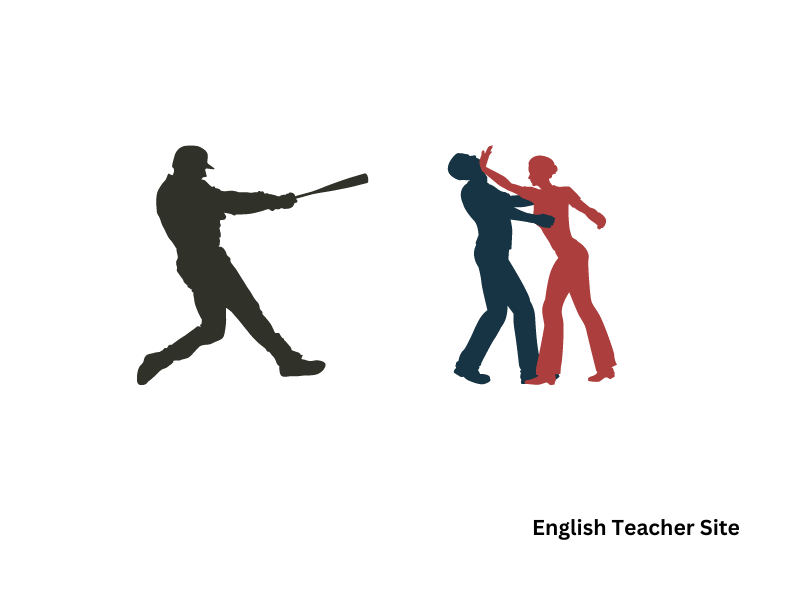
The past tense of strike is struck. With “have” or “has,” use struck. But when you talk about feelings or suffering, use stricken.
Every day: I strike the ball.
Yesterday: I struck the ball.
Feeling: She was stricken with fear.
Strike, Struck, Stricken — See the Pattern
Read these sentences. Look at how the verb changes:
- The workers strike every year for better pay. (now — it happens often)
- Lightning struck the tree last night. (past — it is finished)
- He has struck the ball over the fence three times. (past with “has”)
- The town was stricken by a terrible disease. (suffering — with “was”)
Did you see the pattern? There are three forms:
| When? | Form | Example |
|---|---|---|
| Now / every day | strike | I strike the match. |
| In the past | struck | I struck the match. |
| With have / has / had | struck | I have struck the match before. |
| Feelings / suffering | stricken | She was stricken with grief. |
When to Use Struck and When to Use Stricken
This is the part that confuses many learners. Here is the simple rule:
Use “struck” when you talk about the past — something that is finished:
- The clock struck midnight.
- She struck the match to light the candle.
Also use “struck” with have, has, or had — for actions like hitting, starting, or making a deal:
- He has struck the ball perfectly.
- They had struck a deal before the meeting.
Use “stricken” in only two situations:
1. When someone feels strong emotions or has a serious problem — like grief, fear, poverty, or illness:
- She was stricken with grief after the news.
- The village was stricken by a terrible flood.
2. When something is removed from a list or record:
- His name was stricken from the list.
Easy way to remember: If someone is suffering or something is removed, use stricken. For everything else, use struck. And “striked” is never correct — that word does not exist.
The Rule in One Line: Suffering or removed → stricken. Everything else in the past → struck.
Real-Life Examples With Strike, Struck, and Stricken
Here are examples you might use every day:
- Lightning struck the old building during the storm. (past — it is finished)
- A great idea struck me while I was in the shower. (past — a thought came suddenly)
- They have struck a deal with the other company. (with “have” — use struck)
- The family was stricken with grief after the loss. (suffering — use stricken)
- He struck the ball so hard it flew over the wall. (past — it is finished)
You are doing great. Now let’s look at the mistakes many learners make.
Three Mistakes to Avoid With Strike
Even advanced learners mix up struck and stricken sometimes — so if you get confused, you are not alone. This verb is tricky because it has two different forms for the past, and most verbs do not work this way.
Mistake 1: Adding “-ed” to make the past tense
✗ Lightning striked the building.
✓ Lightning struck the building.
Mistake 2: Using “stricken” for physical actions
✗ She stricken the ball over the net.
✓ She struck the ball over the net.
Mistake 3: Using “struck” for feelings and suffering
✗ He was struck with grief for months.
✓ He was stricken with grief for months.
How to remember: Think of the word “sick” hiding inside “stricken.” Sick = suffering. So stricken is for suffering. Everything else uses struck.
Other verbs with a tricky past tense like this: speak → spoke → spoken, break → broke → broken, choose → chose → chosen.
Test Yourself: Strike, Struck, or Stricken?
Choose the correct answer for each sentence. Click Check to see if you are right.
1. Lightning _______ the tree during the storm last night.
2. She was _______ with grief after hearing the sad news.
3. The workers _______ for better pay last month.
4. His name was _______ from the official list.
5. A brilliant idea _______ her while she was reading.
Keep Going — You Are Building Something
You just learned strike, struck, stricken. That is one more irregular verb you will never get wrong again.
But did you know that fall works in a similar way? Fall, fell, fallen — three forms, just like strike. But here is the tricky part: when do you say “I fell” and when do you say “I have fallen“? And is there a difference between “The leaves fell” and “The leaves have fallen“?
Next lesson: Fell or Fallen? Know the Difference Today!
Source
Harper, Douglas. “Etymology of strike.” Online Etymology Dictionary, https://www.etymonline.com/word/strike

I’m Khamis Maiouf. I’m studying Health and Social Care and have completed Functional Skills Level 2 in English and Level 3 Hairdressing. I have taught ESOL in my community and helped students with GCSE English. I run English Teacher Site to help people learn and practise English.