Is It Blond or Blonde: Understanding the Correct Usage and Spelling

Quick Answer
Both blond and blonde are correct. Use blond (no e) for a man or for anyone in general. Use blonde (with e) for a woman. When you are not sure, blond is always safe.
Blond and Blonde — See the Difference
The words blond and blonde mean the same thing — a light yellow hair colour. The only difference is one small letter: e.
Look at these examples:
- He has blond hair. (male — no e)
- She has blonde hair. (female — with e)
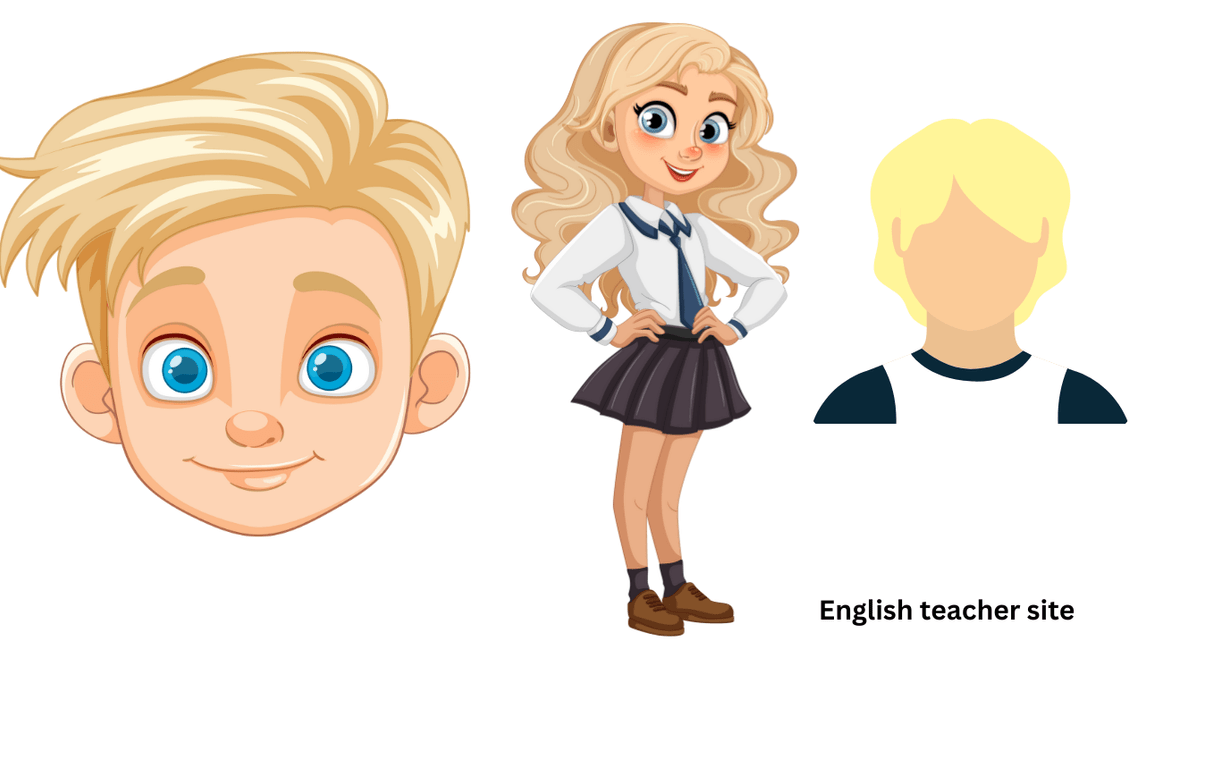
- The blond boy sat next to the blonde girl.
- My brother is blond, and my sister is blonde.
Did you see the pattern? Here is the simple rule:
| Talking about… | Spelling |
|---|---|
| A man or boy | blond (no e) |
| A woman or girl | blonde (with e) |
| Anyone in general | blond (no e) |
When to Use Blond and When to Use Blonde
As a describing word:
- Use blond for males: “He is a blond actor.”
- Use blonde for females: “She is a blonde singer.”
As a naming word:
- Use blond for a male person: “He is a blond.”
- Use blonde for a female person: “She is a blonde.”
American English vs British English:
- In American English, blond is used for everyone — male, female, or general.
- In British English, writers still use blond for males and blonde for females.
Easy way to remember: The e in blonde stands for “elle” — the French word for “she.”
The Rule in One Line: Blond = male or anyone. Blonde = female. Not sure? Drop the e.
Real-Life Examples With Blond and Blonde
- My neighbour’s son is a tall blond boy with blue eyes. (male — no e)
- The blonde woman at the coffee shop smiled at me. (female — with e)
- He dyed his hair blond for the school play. (male — no e)
- She has always been blonde, just like her mother. (female — with e)
- The newspaper described the man as a blond in his thirties. (male as a naming word — no e)
You are doing great. Now let us look at the mistakes many learners make.
Common Mistakes With Blond and Blonde
Even native English speakers get confused by this one — so if you mix them up, you are not alone. Many newspapers and books use them differently, and some do not bother with the e at all!
✗ She is a blond woman.
✓ She is a blonde woman.
✗ He is a blonde man.
✓ He is a blond man.
How to remember: If you are talking about a woman, think of the French word elle (she). Elle ends in e, and so does blonde.
Another word with the same pattern: brunet (male) and brunette (female). The e at the end works the same way.
Test Yourself: Blond or Blonde?
Choose the correct answer for each sentence. Click Check to see if you are right.
Question 1 of 5
1. Tom has _______ hair and blue eyes.
2. Everyone calls her “the _______” at school.
3. The _______ boy in my class is from Sweden.
4. Maria has beautiful _______ curls.
5. In most American newspapers, _______ is the preferred spelling for anyone.
Keep Going — You Are Building Something
You just learned the difference between blond and blonde. That is one more confusing word pair you will never mix up again.
But here is another tricky pair: do you know the difference between complement and compliment? They sound almost the same, but they mean very different things. One is about making something complete, and the other is about saying something nice. Can you tell which is which?
Next lesson: Complement vs Compliment — What Is the Difference?
Source

I’m Khamis Maiouf. English is not my first language – I learned it as an adult in the UK, passed Functional Skills Level 2 in English, qualified in Hairdressing at Level 3, and I’m now studying Business at university. For over five years I’ve taught ESOL classes in my community and tutored students through GCSE English. I write every lesson on this site myself, for the learner I used to be.