
Skip to content
English Teacher Site

English Teacher Site

  • Start with LevelsExpand
    • A1 Beginner
    • A2 Elementary
    • B1 Intermediate
    • B2 Upper Intermediate
  • Grammar & VocabularyExpand
    • A1 Grammar
    • A2 Grammar
    • A2 Vocabulary
    • B1 Grammar
    • B1 Vocabulary
    • B2 Grammar
    • B2 Vocabulary
  • Find Your Level
English Teacher Site
  • Deal vs Dealt: Understanding the Past Tense of Deal
    A2 Grammar

    Deal vs Dealt: Understanding the Past Tense of Deal

    ByKhamis Maiouf 8 December 202314 April 2026

    Quick Answer The past tense of deal is dealt. It is the same with “have,” “has,” or “had” — always dealt. Every day: I deal with problems at work. Yesterday: I dealt with a difficult customer. Many times: I have dealt with this before. Deal and Dealt — See the Pattern Read these sentences. Look…

    Spread the love

    Read More Deal vs Dealt: Understanding the Past Tense of DealContinue

  • Criteria Singular or Plural: Understanding Grammatical Number
    A2 Grammar

    Criteria Singular or Plural: Understanding Grammatical Number

    ByKhamis Maiouf 8 December 202328 April 2026

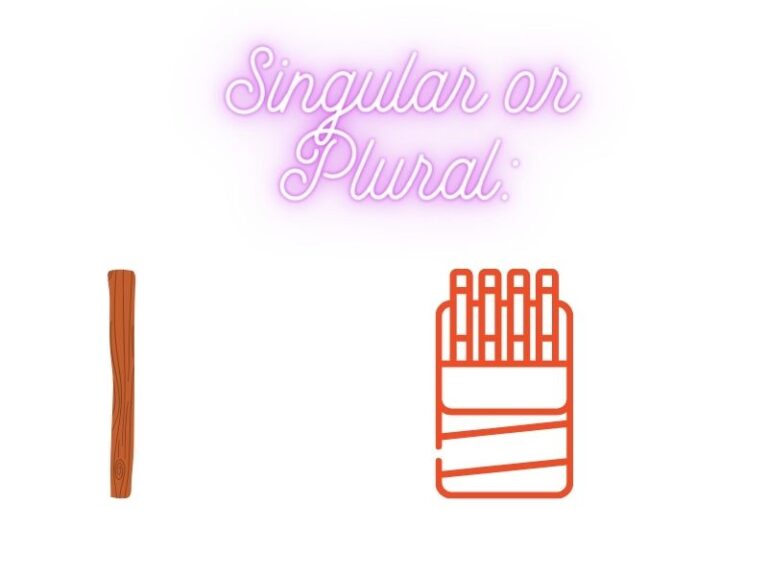
    Quick Answer Criterion means one standard. Criteria means two or more standards. So you would say “one criterion” but “three criteria”. ✓ The main criterion is age. (one rule)✓ The criteria are age, height, and weight. (more than one rule) Criterion and Criteria — See the Pattern Look at these four sentences. Watch the word…

    Spread the love

    Read More Criteria Singular or Plural: Understanding Grammatical NumberContinue

  • Come or Came: Understanding the Past Tense of “Come”
    A2 Grammar

    Come or Came: Understanding the Past Tense of “Come”

    ByKhamis Maiouf 8 December 202315 April 2026

    Quick Answer The past tense of come is came. With “have,” “has,” or “had,” use come again (not “came”). Every day: I come home at six. Yesterday: I came home late. Many times: I have come home late before. Come, Came, Come — See the Pattern Read these sentences. Look at how the verb changes:…

    Spread the love

    Read More Come or Came: Understanding the Past Tense of “Come”Continue

  • Canceled vs Cancelled: Understanding Regional Spelling Differences
    B1 Grammar

    Canceled vs Cancelled: Understanding Regional Spelling Differences

    ByKhamis Maiouf 8 December 20237 April 2026

    The variations in spelling are a perfect demonstration of how English has evolved over time and across oceans, particularly between American English and British English. The verb ‘cancel’ is subject to this variation—with Americans preferring ‘canceled’ and the British leaning towards ‘cancelled’. Language guides and dictionaries acknowledge both spellings, but the key is consistency within…

    Spread the love

    Read More Canceled vs Cancelled: Understanding Regional Spelling DifferencesContinue

  • Catch: Catched or Caught? The Correct Past Tense of Catch
    A2 Grammar

    Catch: Catched or Caught? The Correct Past Tense of Catch

    ByKhamis Maiouf 8 December 202312 April 2026

    Quick Answer The past tense of catch is caught. “Catched” is not a real English word. Example: “She caught the ball.” Catch, Caught, Caught — See the Pattern Look at these sentences. Can you see how catch changes? Did you see the pattern? The past form and the “have” form are the same word —…

    Spread the love

    Read More Catch: Catched or Caught? The Correct Past Tense of CatchContinue

  • Burst or Bursted: What’s the Correct Past Tense of Burst?
    A2 Grammar

    Burst or Bursted: What’s the Correct Past Tense of Burst?

    ByKhamis Maiouf 7 December 202321 April 2026

    Quick Answer The past tense of burst is burst. It stays the same. “Bursted” is not a real word. Now: The balloon bursts. Yesterday: The balloon burst. Many times: The balloon has burst before. Burst, Burst, Burst — See the Pattern Read these sentences. Watch what happens to the verb: Did you see it? The…

    Spread the love

    Read More Burst or Bursted: What’s the Correct Past Tense of Burst?Continue

  • Breath vs Breathe: Understanding the Correct Usage
    B1 Grammar

    Breath vs Breathe: Understanding the Correct Usage

    ByKhamis Maiouf 7 December 202328 April 2026

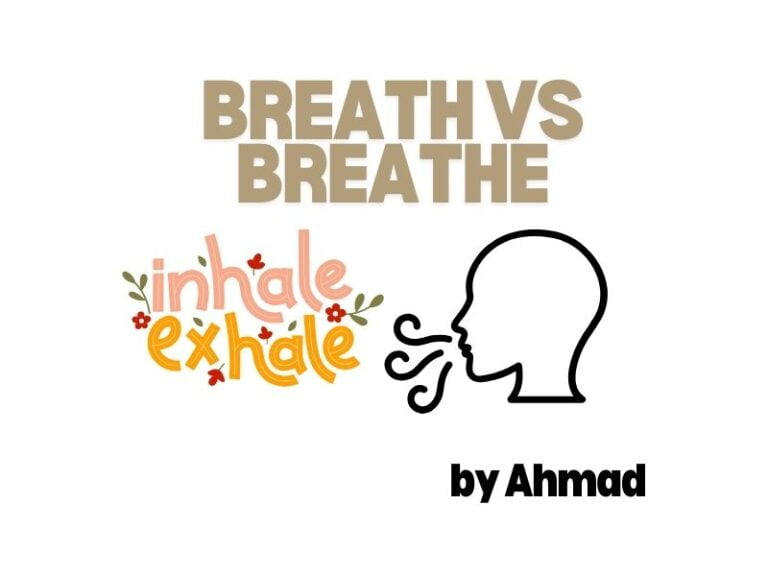
    Quick Answer Breath (no E) is a noun — the air that goes in and out of your lungs. Breathe (with E) is a verb — the action of taking air in and pushing it out. “Take a deep breath.” (noun) — “I breathe through my nose.” (verb) Breath and Breathe — See the Difference…

    Spread the love

    Read More Breath vs Breathe: Understanding the Correct UsageContinue

  • Blew or Blown: Understanding the Correct Past Tense of Blow
    A2 Grammar

    Blew or Blown: Understanding the Correct Past Tense of Blow

    ByKhamis Maiouf 7 December 202312 April 2026

    Quick Answer The past tense of blow is blew. With have, has, or had, use blown. Example: “The wind blew hard” and “The balloons have been blown up.” Blow, Blew, Blown — See the Pattern Look at these sentences. Can you see how blow changes? Did you see the pattern? Blew is for the past….

    Spread the love

    Read More Blew or Blown: Understanding the Correct Past Tense of BlowContinue

  • Begin Began Begun: Understanding the Past Tense of “Begin”
    A2 Grammar

    Begin Began Begun: Understanding the Past Tense of “Begin”

    ByKhamis Maiouf 7 December 202310 April 2026

    Quick Answer The past tense of begin is began. With “have,” “has,” or “had,” use begun. Every day: I begin work at nine. Yesterday: I began work early. Many times: I have begun many new projects. Begin, Began, Begun — See the Pattern Read these sentences. Look at how the verb changes: Did you see…

    Spread the love

    Read More Begin Began Begun: Understanding the Past Tense of “Begin”Continue

  • Are Seasons Capitalized? Understanding Proper Grammar Rules
    B1 Grammar

    Are Seasons Capitalized? Understanding Proper Grammar Rules

    ByKhamis Maiouf 7 December 202311 April 2026

    Quick Answer No, seasons are not capitalized. Write spring, summer, autumn, and winter with a small letter. They are regular words, not names. Example: I love summer because the days are long. Spring, Summer, Autumn, Winter — No Capital Letter Look at these sentences. Can you see something? Did you notice? Every season has a…

    Spread the love

    Read More Are Seasons Capitalized? Understanding Proper Grammar RulesContinue

Page navigation

Previous PagePrevious 1 … 30 31 32 33 34 Next PageNext

COMPANY INFO

  • About English Teacher Site!
  • Contact Us
  • HTML Sitemap
  • Privacy Policy
  • Terms and Conditions

CATEGORIES

  • A1 Grammar
  • A2 Grammar
  • A2 Vocabulary
  • B1 Grammar
  • B1 Vocabulary
  • B2 Grammar
  • B2 Vocabulary
  • Sitemap

connect with English Teacher Site: [email protected]

Pinterest

copyright 2026 English Teacher Site

Scroll to top
  • Start with Levels
    • A1 Beginner
    • A2 Elementary
    • B1 Intermediate
    • B2 Upper Intermediate
  • Grammar & Vocabulary
    • A1 Grammar
    • A2 Grammar
    • A2 Vocabulary
    • B1 Grammar
    • B1 Vocabulary
    • B2 Grammar
    • B2 Vocabulary
  • Find Your Level
Search