
Skip to content
English Teacher Site

English Teacher Site

  • Start with LevelsExpand
    • A1 Beginner
    • A2 Elementary
    • B1 Intermediate
    • B2 Upper Intermediate
  • Grammar & VocabularyExpand
    • A1 Grammar
    • A2 Grammar
    • A2 Vocabulary
    • B1 Grammar
    • B1 Vocabulary
    • B2 Grammar
    • B2 Vocabulary
  • Find Your Level
English Teacher Site
  • Is It Bare With Me or Bear With Me? Unraveling the Confusion
    B1 Vocabulary

    Is It Bare With Me or Bear With Me? Unraveling the Confusion

    ByKhamis Maiouf 18 December 20237 April 2026

    The mistake of using “bare with me” arises from the similarity in pronunciation, despite “bare” meaning to uncover or reveal. This mix-up is a classic example of a homophone error, where two words sound the same but are not interchangeable. By understanding the etymology and correct usage of these expressions, one can avoid common mistakes…


    Spread the love

    Read More Is It Bare With Me or Bear With Me? Unraveling the ConfusionContinue

  • Is It Already or All Ready: Understanding the Difference
    B1 Vocabulary

    Is It Already or All Ready: Understanding the Difference

    ByKhamis Maiouf 18 December 20237 April 2026

    The proper use of “already” and “all ready” hinges on the context of the sentence. Clarity in writing and speaking can be maintained by recognizing that “already” often relates to time, indicating that an action or event has taken place earlier than anticipated. Meanwhile, “all ready” conveys a state of complete preparation, signifying that a…

    Spread the love

    Read More Is It Already or All Ready: Understanding the DifferenceContinue

  • Is It a Lot, Allot, or Alot: Understanding the Differences
    A2 Grammar

    Is It a Lot, Allot, or Alot: Understanding the Differences

    ByKhamis Maiouf 18 December 20237 April 2026

    Understanding the differences between “a lot,” “alot,” and “allot” is essential for accurate and effective communication. While “a lot” and “allot” share a phonetic similarity, their functions in language are distinct. Mastery of their application not only eradicates common spelling errors but also enhances the clarity and professionalism of one’s writing. Understanding the Differences Navigating…

    Spread the love

    Read More Is It a Lot, Allot, or Alot: Understanding the DifferencesContinue

  • Is Data Singular or Plural? Understanding Its Correct Usage
    A2 Grammar

    Is Data Singular or Plural? Understanding Its Correct Usage

    ByKhamis Maiouf 18 December 20237 April 2026

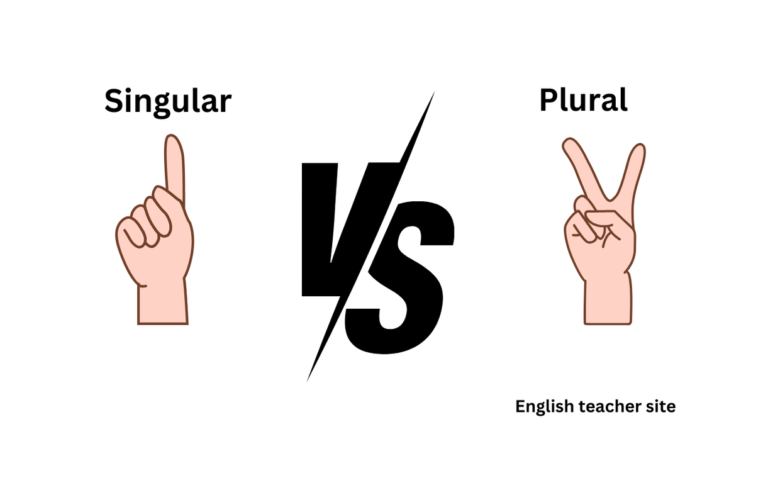
    The distinction between singular and plural use of “data” is not merely a grammatical curiosity but also reflects different perspectives on how information is collected and analyzed. In scientific and academic contexts, where precision is paramount, “data” are frequently treated as plural, with the focus on the individual pieces of information. Conversely, in general usage…

    Spread the love

    Read More Is Data Singular or Plural? Understanding Its Correct UsageContinue

  • Is Bacteria Plural or Singular? Understanding Grammatical Number in Microbiology
    A2 Grammar

    Is Bacteria Plural or Singular? Understanding Grammatical Number in Microbiology

    ByKhamis Maiouf 18 December 202311 April 2026

    Quick Answer Bacteria is plural (more than one). The singular form is bacterium (just one). One: The bacterium is very small. Many: The bacteria are everywhere. Bacterium and Bacteria — See the Pattern Look at these sentences. Can you see the pattern? Did you notice? When we talk about one, we say bacterium. When we…

    Spread the love

    Read More Is Bacteria Plural or Singular? Understanding Grammatical Number in MicrobiologyContinue

  • Is Alumni Plural or Singular? Understanding the Correct Usage
    A2 Grammar

    Is Alumni Plural or Singular? Understanding the Correct Usage

    ByKhamis Maiouf 18 December 202318 April 2026

    Quick Answer Alumni is plural. It means a group of people who finished school or university. The singular (one person) is alumnus (for a man) or alumna (for a woman). One: He is an alumnus of Oxford University. More than one: The alumni came back for the school party. Alumnus, Alumna, Alumni — See the…

    Spread the love

    Read More Is Alumni Plural or Singular? Understanding the Correct UsageContinue

  • Irregular Plural Nouns: Mastering English Language Exceptions
    A2 Grammar

    Irregular Plural Nouns: Mastering English Language Exceptions

    ByKhamis Maiouf 18 December 202322 April 2026

    Quick Answer Most nouns add -s to make the plural: cat → cats. But some nouns change in a different way. These are called irregular plural nouns. child → children   |   tooth → teeth   |   sheep → sheep Man, Men — See How Irregular Plurals Work Look at these sentences. Can…

    Spread the love

    Read More Irregular Plural Nouns: Mastering English Language ExceptionsContinue

  • Infer vs Imply: Understanding the Difference in Communication
    B1 Vocabulary

    Infer vs Imply: Understanding the Difference in Communication

    ByKhamis Maiouf 17 December 20237 April 2026

    Implied meaning relies on the context and the ability of others to pick up hints or suggestions. The implicative nature of communication requires a sender to convey a message without explicit declaration. On the receiving end, inferring requires the receiver to interpret and piece together the signals or hints to form a coherent understanding. What…

    Spread the love

    Read More Infer vs Imply: Understanding the Difference in CommunicationContinue

  • In Between, Inbetween or Between: Understanding the Nuances of English Prepositions
    B1 Vocabulary

    In Between, Inbetween or Between: Understanding the Nuances of English Prepositions

    ByKhamis Maiouf 17 December 202319 April 2026

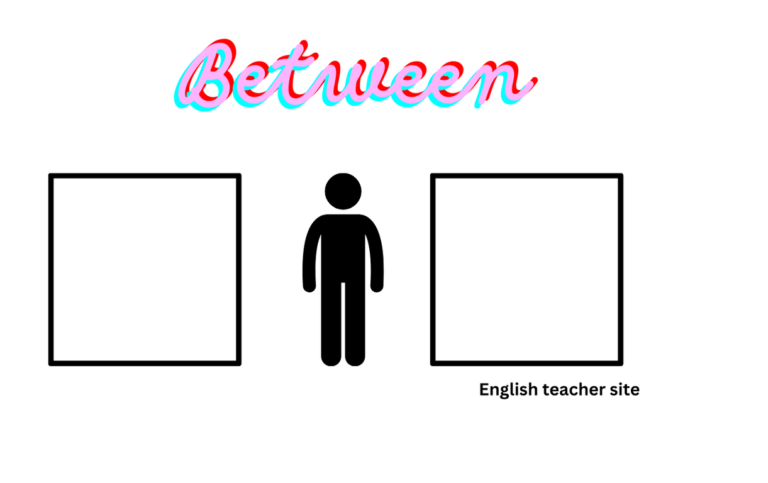
    Quick Answer Between is a preposition — use it to show position or connection. In between (two words) means “in the middle.” In-between (with a hyphen) describes something in the middle. Inbetween is not a real word — do not use it. The shop is between the bank and the bakery. She wore an in-between…

    Spread the love

    Read More In Between, Inbetween or Between: Understanding the Nuances of English PrepositionsContinue

  • Imminent Eminent Immanent: Understanding the Differences and Usage
    B1 Vocabulary

    Imminent Eminent Immanent: Understanding the Differences and Usage

    ByKhamis Maiouf 15 December 202326 April 2026

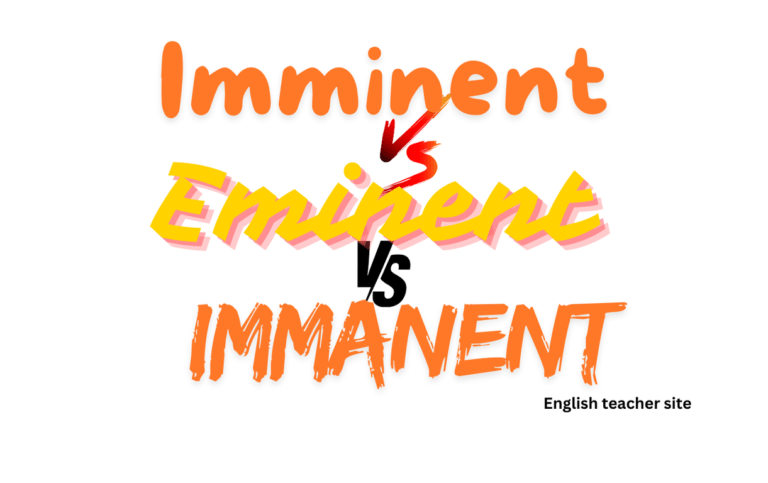
    Quick Answer Imminent means something is about to happen very soon. Eminent means someone is famous and respected. Immanent means a quality that exists inside something. They sound almost the same, but they mean three very different things. Imminent, Eminent, and Immanent — See the Difference These three words sound very similar when you say…

    Spread the love

    Read More Imminent Eminent Immanent: Understanding the Differences and UsageContinue

Page navigation

Previous PagePrevious 1 … 27 28 29 30 31 … 34 Next PageNext

COMPANY INFO

  • About English Teacher Site!
  • Contact Us
  • HTML Sitemap
  • Privacy Policy
  • Terms and Conditions

CATEGORIES

  • A1 Grammar
  • A2 Grammar
  • A2 Vocabulary
  • B1 Grammar
  • B1 Vocabulary
  • B2 Grammar
  • B2 Vocabulary
  • Sitemap

connect with English Teacher Site: [email protected]

Pinterest

copyright 2026 English Teacher Site

Scroll to top
  • Start with Levels
    • A1 Beginner
    • A2 Elementary
    • B1 Intermediate
    • B2 Upper Intermediate
  • Grammar & Vocabulary
    • A1 Grammar
    • A2 Grammar
    • A2 Vocabulary
    • B1 Grammar
    • B1 Vocabulary
    • B2 Grammar
    • B2 Vocabulary
  • Find Your Level
Search